The Importance of Secure Messaging in Healthcare Platforms
Introduction
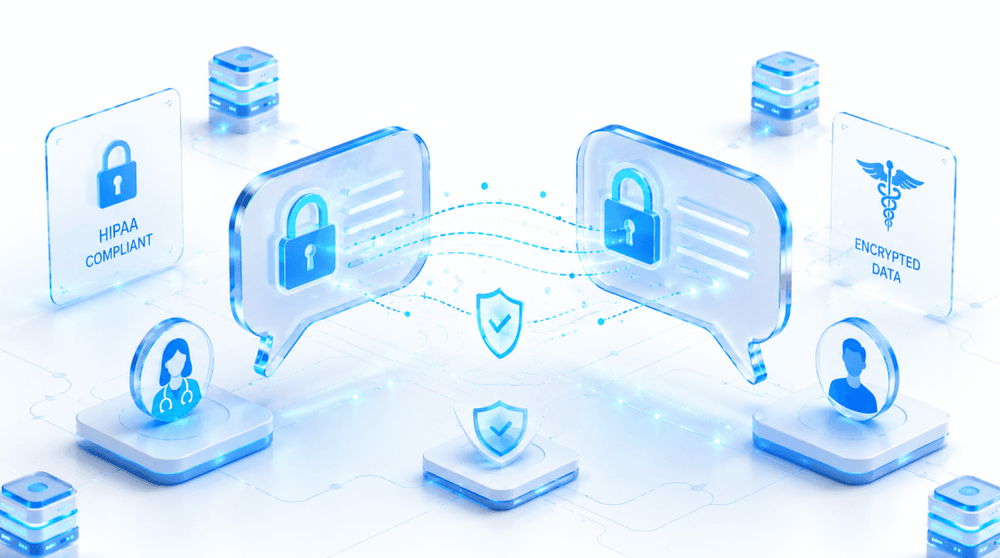
Effective communication between healthcare providers and clients is essential for delivering quality care. In modern digital healthcare environments, secure messaging has become a critical component of telehealth platforms. It enables providers to communicate with clients, share updates, discuss treatment plans, and coordinate care in a safe and efficient manner.
Secure messaging systems within platforms like NousTalk ensure that sensitive client information is protected while maintaining seamless communication between providers, administrative teams, and clients.
1. Protecting Sensitive Client Information
Healthcare communication often includes confidential data such as medical history, treatment details, prescriptions, and session notes. Traditional communication methods like emails or messaging apps may not provide the necessary level of data protection.
Secure messaging platforms use encryption protocols to:
- Protect client information during transmission
- Prevent unauthorized access
- Ensure privacy of clinical discussions
- Safeguard client records
This helps healthcare organizations maintain confidentiality while delivering remote care.
2. Supporting Compliance Requirements
Healthcare providers must comply with strict data protection regulations when handling client information. Secure messaging systems help organizations meet compliance standards by:
- Encrypting communication data
- Maintaining access control
- Recording audit logs
- Restricting unauthorized sharing
These features ensure that communication workflows align with legal and security requirements while minimizing compliance risks.
3. Enhancing Provider-Client Communication
Secure messaging improves accessibility by allowing clients to connect with providers outside of scheduled sessions. Clients can:
- Ask follow-up questions
- Share updates about symptoms
- Request appointment changes
- Receive treatment guidance
This ongoing communication enhances client engagement and strengthens the provider-client relationship.
4. Enabling Internal Team Collaboration
Healthcare delivery often involves multiple providers and administrative staff. Secure internal messaging allows:
- Real-time team communication
- Coordination of treatment plans
- Discussion of client cases
- Administrative updates
By enabling internal collaboration, healthcare teams can deliver more coordinated and efficient care.
5. Reducing Communication Delays
Instant communication through secure messaging helps eliminate delays associated with traditional communication methods such as phone calls or manual follow-ups.
Providers can:
- Send appointment reminders
- Share documents
- Notify clients of changes
- Provide care instructions
This improves operational efficiency and ensures timely responses to client needs.
6. Maintaining Communication Records
Secure messaging systems store communication history within the platform. This enables providers to:
- Track conversations
- Review client interactions
- Maintain documentation
- Support continuity of care
Having a centralized communication record helps improve accountability and clinical decision-making.
Conclusion
Secure messaging has become an essential feature of modern healthcare platforms by enabling safe, efficient, and compliant communication between providers and clients. It supports confidentiality, improves collaboration, and enhances client engagement in telehealth environments.
Platforms like NousTalk integrate secure messaging capabilities to streamline communication workflows while protecting sensitive healthcare data, ensuring both operational efficiency and high standards of client care.
Secure Client Messaging
HIPAA-compliant client-therapist messaging and document sharing.
Explore Feature Page